Combating Coronavirus & Mending our Mental Health: Exercise
- Ellie Daly
- Sep 23, 2020
- 4 min read
The coronavirus disease (COVID-19) pandemic began at the end of 2019 in China and has rapidly spread globally (Cascella et al., 2020) Millions of people around the world are infected, and hundreds of thousands have lost their lives. Concerns for the worlds physical health has never been so pertinent. The way we live and behave has been altered dramatically over the past few months, and rightly so, to keep us safe.
As the world around us has been changing so has our countries mental health state. Evidence greatly suggests that this global crisis has significant psychological and social effects (Ornell et al., 2020). It is vital to assess and analyze the mental health impacts and why we must take this seriously.

Mental Health during Coronavirus
Mental health refers to cognitive and emotional well-being. It includes how we think, how we feel and how we behave. This is incredibly important during this time of uncertainty and change. The impact of coronavirus on our mental health is not only evident now but could continue to have effects for years to come.
The Mental Health Foundation is conducting a research project into the effects of the coronavirus on reported mental health. A survey has been issued every three weeks to more than 4,000 people in the UK aged 18+. This began in mid-March.
The study shows that after week one of lockdown; 1 in 4 adults reported feeling lonely. This was more prevalent in younger adults. 1 in 5 people consumed more alcohol to cope with stress.
After 1 month of lockdown; 4 in 10 people (38%) reported eating too much as a way of coping.
After 2 months of lockdown; reported anxiety was increasing especially for those with long-term health conditions, single parents, 25-34-year old’s and women (62%). Results found that 28% of 25-34-year old’s expressed feelings of ‘hopelessness’. This was even higher in with 30% of 18-24-year old’s.
By late July, the study reported that 49% of participants experienced anxiety, 1 in 5 felt lonely, 1 in 6 felt hopeless and 1 in 8 felt panic.
Sadly, 10% of the participants reported suicidal thoughts and feelings. For example, a 19-year-old waitress in England died in a hospital after a suicide attempt because of fears of the ‘mental health impacts’ of isolation (Miller, 2020).
A powerful message expressed by Sher (2020) follows, “Mental health consequences of the COVID-19 crisis including suicidal behavior are likely to be present for a long time and peak later than the actual pandemic. To reduce suicides during the COVID-19 crisis, it is imperative to decrease stress, anxiety, fears and loneliness in the general population.”.
Neglecting the populations mental health needs will have devastating effects.

Winter Months
Not only are we experiencing a global pandemic, but this time of year alone for many people increases risk of poor mental health. Seasonal Affective Disorder (SAD) refers to increase in depressive thoughts and feelings due to the season (typically in winter). This affects 1-2% of the population, more so in women and younger people.

There are three main reasons for this:
· Circadian Rhythms- the longer nights and the shorter days can change our internal body clocks.
· Melatonin production- melatonin is produced when we are in the dark, increased darkness and less sunlight means a possibility of over-production. This can lead to low energy and drowsiness.
· Reduced sunlight- this reduces the production of a hormone called ‘serotonin’, low levels of serotonin have been scientifically linked to depression.
What Can You Do?
We are unable to control the world around us, but we can control ourselves. We can each take steps to introduce self-care and look after our mental health the best we can.
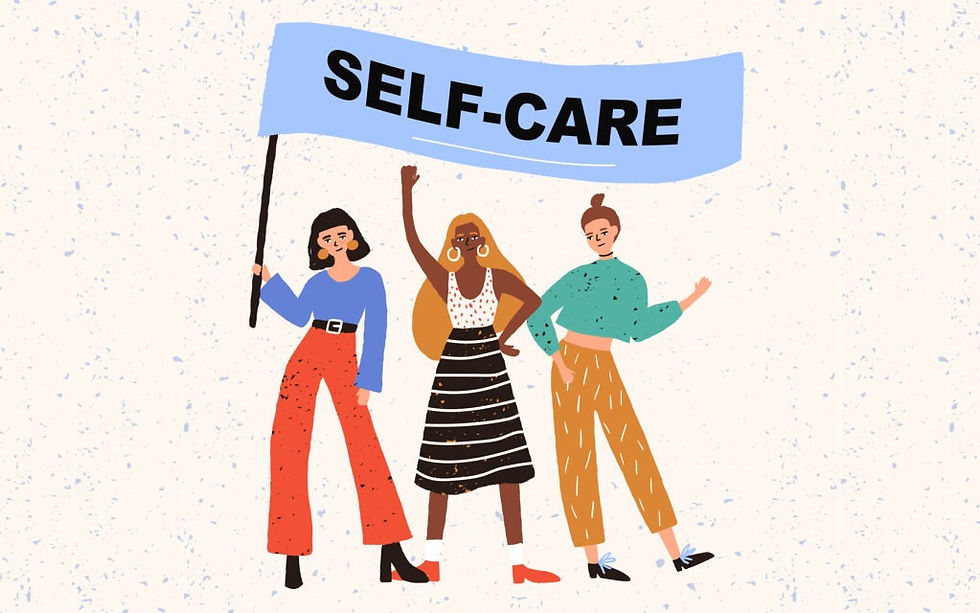
As noted in the research conducted by the Mental Health Foundations, many people were turning to unhealthy habits as coping mechanisms (drinking alcohol excessively and eating unhealthily). Implement healthier coping mechanisms:
Physical activity helps improve all aspects of your health, including boosting your immune system.
It also reduces stress and anxiety and improves mood, which in turn helps you sleep better and prevents burnout. Exercise also releases endorphins, serotonin, dopamine and oxytocin (the feel-good hormone), chemicals in your brain that revitalize your mind and body. This will have a more beneficial impact on your immune system compared to drinking too much.
Many of these feel-good chemicals also reduce pain. Tai Chi has been researched in many pain conditions with great outcomes. Tai chi also includes a mind-body element which is a great way to promote mindfulness while getting a workout.
Stress hormones such as cortisol and adrenaline can also be deactivated during exercise by turning off our fight or flight response and turning on our rest and repair response. Physical activity is strongly encouraged.
The activity does not need to be overly- strenuous, it can simply be a walk outside.

Rethink Mental Illness touched upon another aspect which is important with exercise, a routine. “The support groups that I normally attend are no longer running. These groups provide a structure to my week. Having no structure means that I struggle to impose order on my life. Without something to do I struggle to get up, eat at reasonable times, avoid snacking and looking after myself and my home.”
Now that gyms have re-opened and classes are running in a covid-secure way, it may be a good idea to begin implementing more of an exercise regime. This will help regain some control and set up a comfortable routine.
This also promotes face to face (socially distanced meetings) with other people. Connecting with people once again in a safe environment is going to be hugely beneficial to our mental health. As human beings, we crave socialization, and this has been restricted for a very long time. We can finally get together to exercise in a covid-friendly manner.
Loneliness has been much more apparent during the last few months, across a range of age groups. Making sure that we can connect with people in some form or another is essential. Whether this is virtually, or in person (complying with the governments guidelines and advice).
Remember that if your mental health has been affected by the coronavirus, that you are certainly not alone. We are all in this together, and we will get through it together.
With the fear of the unknown of what life will be like for the next few months, and during the winter months. Let us try and see the importance of mental health and take more action to support it.
Helpful Resources:
Comments